Partnering for Pristine: Why Expert Cleaning is Key for Top Hotels.
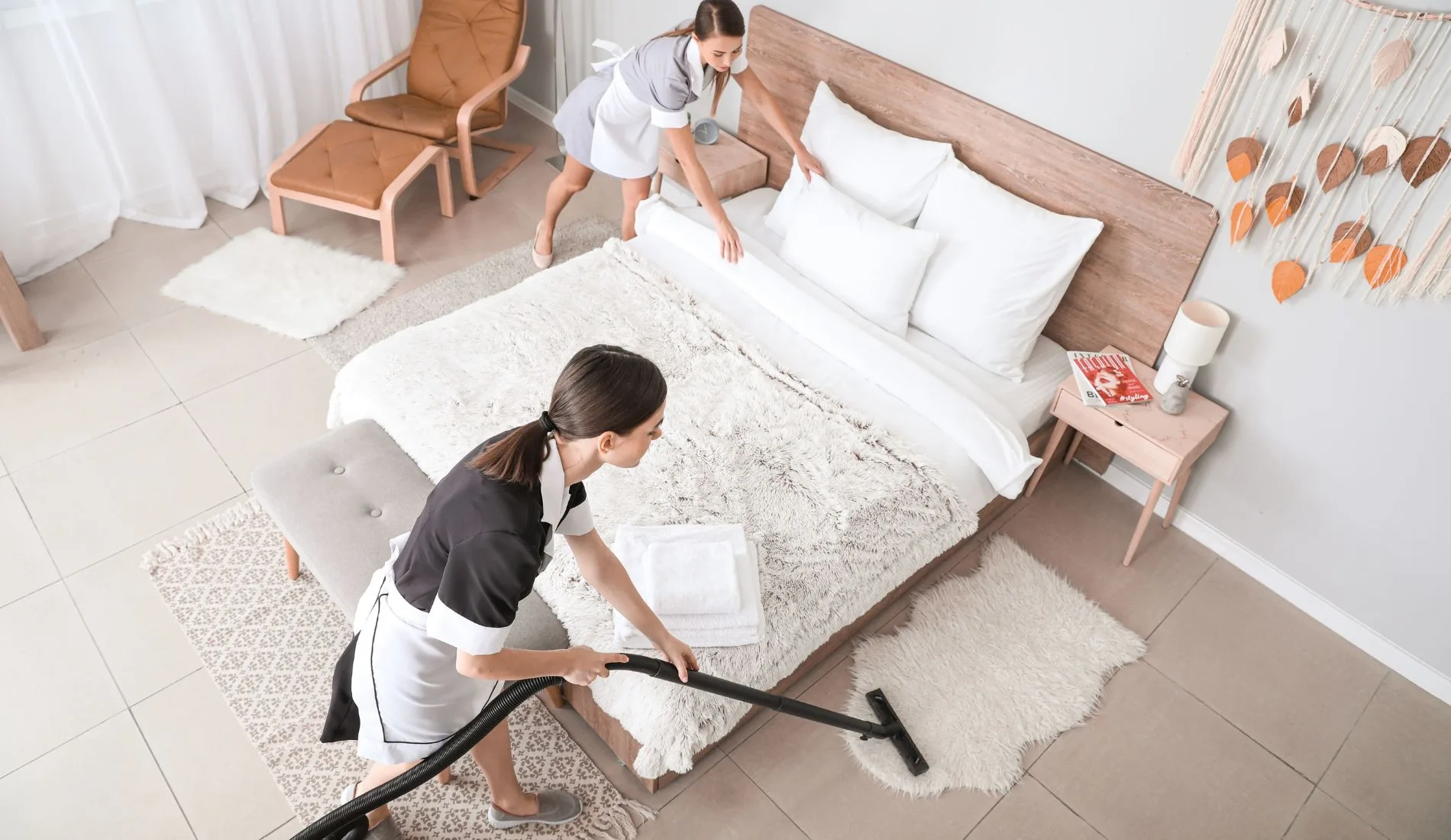
The Imperative of Impeccable Hotel Cleanliness
Hotels face immense pressure for exceptional cleanliness. Guests expect pristine, sanitized spaces, not just tidiness. The initial impression of hygiene profoundly shapes a guest's perception of their entire stay, setting the tone for their experience.
Substandard cleanliness can severely damage a hotel's reputation. Negative online reviews spread rapidly, affecting bookings and revenue. The challenge extends beyond daily upkeep; it demands specialized, deep sanitization beyond surface-level efforts.
Many hotels struggle with inconsistent cleaning quality. Internal teams may lack specialized equipment, advanced training, or adequate time for thorough disinfection. This often leads to overlooked areas or insufficient treatment, compromising overall hygiene.
High staff turnover in hospitality means continuous training for cleaning personnel. This constant flux hinders the establishment of uniform, high-level cleaning practices, leaving critical guest areas potentially vulnerable to neglect.
Possible Causes for Cleaning Inconsistencies
- Limited Specialized Training: Internal staff often lack advanced training and equipment for deep sanitization, yielding superficial results.
- High Staff Turnover Rates: Frequent staff rotation requires continuous training, impeding consistent, top-tier cleaning standards.
- Pressure for Quick Turnaround: Rapid room preparation compromises cleaning depth, potentially overlooking critical disinfection areas.
Proposed Solutions for Enhanced Cleanliness
1. Partnering with Expert Cleaning Services
Engaging professional cleaning companies like Clariox offers transformative hotel hygiene. These partners bring expertise, advanced methods, and equipment internal teams may lack.
Such partnerships ensure consistent, elevated cleanliness across the property. It frees hotel management to focus on core hospitality services, entrusting deep cleaning to specialists.
2. Implementing Advanced Cleaning Technologies
Investing in cutting-edge cleaning technologies enhances disinfection. Electrostatic sprayers provide uniform disinfectant coating, reaching intricate areas often missed manually.
UV-C light technology offers effective, chemical-free sanitization for rooms and objects. These innovations demonstrate commitment to guest health and safety, boosting confidence.
3. Establishing Robust Quality Assurance Programs
Implementing a comprehensive quality assurance program is essential. This involves regular, detailed inspections by independent auditors to identify improvements and ensure protocol adherence.
This continuous monitoring fosters accountability and excellence. It provides valuable data for ongoing training and process refinement, ensuring sustained high hygiene levels.
Potential Risks and Mitigation
- Integration Challenges: Integrating an external partner requires careful coordination. Recommendation: Establish clear communication and service level agreements.
- Initial Investment: Adopting new cleaning technologies can involve a significant upfront cost. Recommendation: Conduct a thorough cost-benefit analysis and consider phased implementation.
- Maintaining Oversight: Hotels must maintain oversight with external partners to ensure standards. Recommendation: Implement regular check-ins and performance reviews.
Related posts
Comments
Hudson Davis
The article highlights common issues in hotel cleaning. The proposed solutions seem practical, but I wonder about the immediate cost implications for smaller hotels.
Tammy Carroll
That's a valid point. For smaller hotels, phased implementation of technologies and carefully scaled partnerships can help manage initial costs effectively.
Julia Perez
Excellent overview! The emphasis on advanced technologies and quality assurance truly resonates. It's clear that guests increasingly prioritize visible cleanliness.
Francis Walker
Thank you! We agree that transparency and innovation in cleaning are becoming key differentiators for guest satisfaction.